Layered Lighting Ideas for a Cozy Living Room
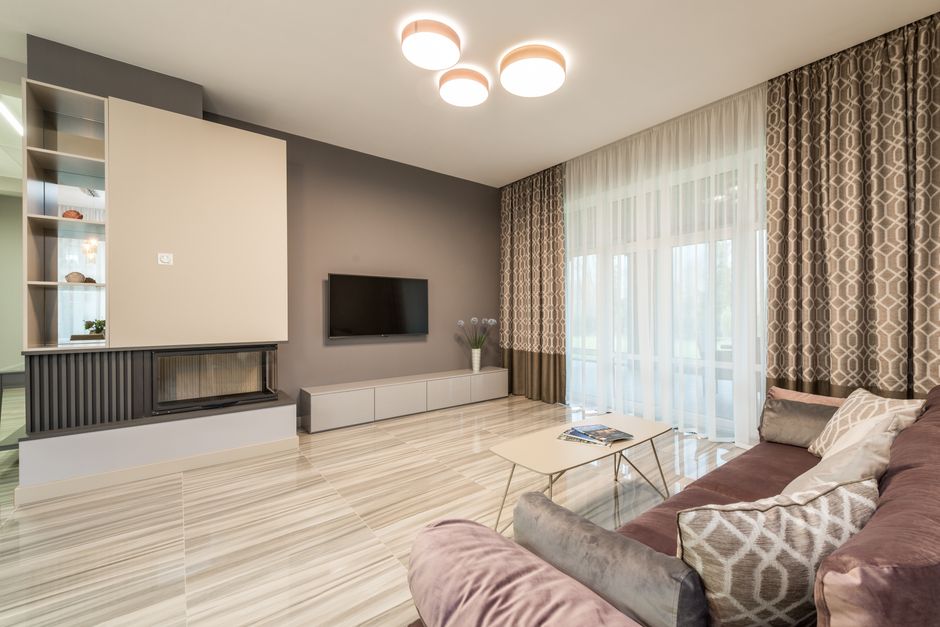
Lighting plays a significant role in shaping the atmosphere of a living room. Rather than relying on a single overhead fixture, many designers approach lighting as a layered system that combines multiple sources of light. This method allows for flexibility and helps create a space that feels warm and inviting. Layered lighting involves blending three distinct types of illumination: ambient, task, and accent. Each type serves a unique purpose, and when used together, they can produce a balanced and comfortable environment that adapts to different activities and times of day. The effectiveness of this approach depends on the specific characteristics of the room, the choice of fixtures, and the preferences of those using the space.
Ambient lighting forms the foundation of any layered scheme. It provides general illumination that fills the room and ensures a baseline level of visibility. Task lighting is more focused and is intended to support specific activities such as reading, working on a laptop, or playing board games. Accent lighting adds visual interest by highlighting architectural details, artwork, or decorative objects. When these layers are combined thoughtfully, they can contribute to a living room that feels both functional and inviting. The process of selecting and positioning these light sources requires attention to factors like fixture type, bulb characteristics, and the layout of the room.
Beyond the choice of light sources, controls such as dimmers and switches offer additional flexibility. Adjusting the intensity of light can change the mood of the room throughout the day, from bright and energetic to soft and relaxing. The placement of fixtures also influences how light interacts with surfaces and shadows. By understanding the principles behind each layer and considering how they work together, it becomes possible to create a lighting plan that supports comfort and usability without relying on a single solution.
Ambient Lighting: The Base Layer for Overall Illumination
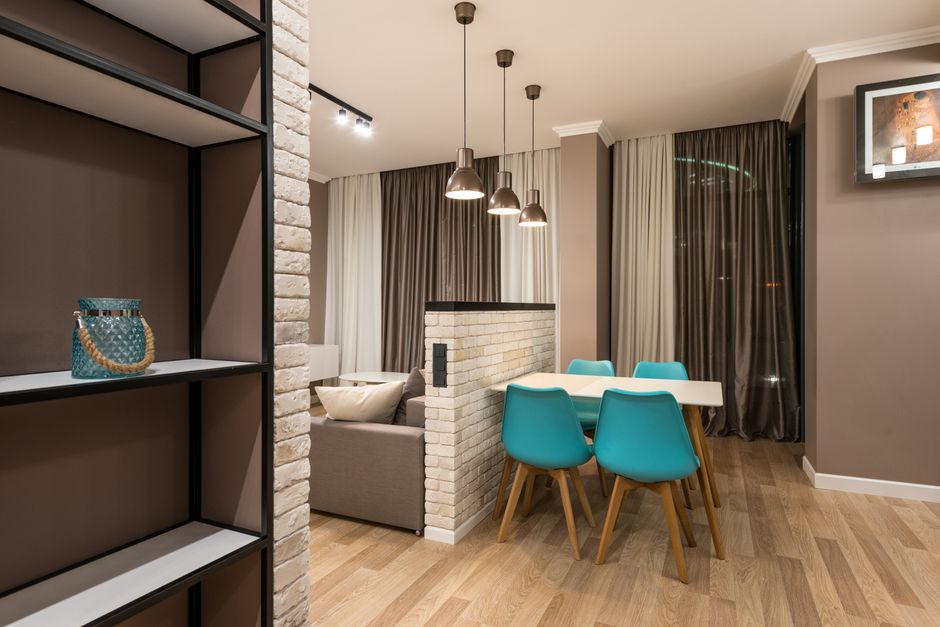
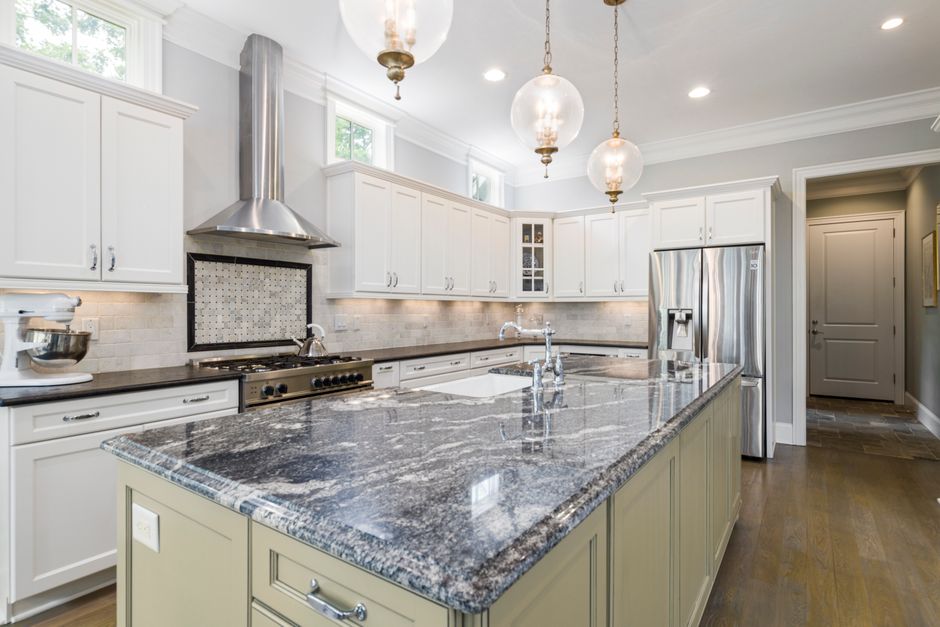
Ambient lighting is the primary source of general light in a living room. Its main goal is to provide a comfortable level of brightness that allows people to move around safely and see the space clearly. Common ambient fixtures include ceiling-mounted lights, recessed downlights, track lighting, and sometimes large floor or table lamps that distribute light broadly. The choice of fixture depends on ceiling height, room size, and the desired overall effect. For a cozy atmosphere, ambient light should be soft and even, avoiding harsh glare or deep shadows. This can be achieved by using fixtures with diffusers or by aiming light toward the ceiling or walls to create indirect illumination.
The color temperature of ambient lighting also matters. Bulbs that emit warm white light, typically in the range of 2700K to 3000K, are often preferred in living rooms because they mimic the glow of incandescent bulbs and contribute to a relaxing environment. Cooler temperatures may feel more stark and are better suited for task-oriented areas. The brightness level, measured in lumens, should be sufficient for general activities but not overpowering. Many designers recommend layering ambient light with other types so that the base layer can be dimmed or supplemented depending on the situation. Dimmers are especially useful here, as they allow the ambient light to be reduced in the evening for a cozier feel.
Task Lighting: Supporting Specific Activities
Task lighting provides concentrated illumination for activities that require more visual clarity. In a living room, common tasks may include reading, sewing, using a laptop, or working on hobbies. Task lights are typically positioned close to the area where the activity takes place, such as a floor lamp next to an armchair or a desk lamp on a side table. The key is to direct light onto the task surface without causing glare or casting unwanted shadows. Adjustable fixtures, such as swing-arm lamps or gooseneck designs, offer flexibility in aiming the light exactly where it is needed.
The brightness of task lighting should be higher than ambient light to create contrast and reduce eye strain. However, the exact level depends on the specific activity and the individual’s needs. It is often helpful to choose task lights with their own switches or dimmers so that they can be controlled independently. When selecting task lighting, one might consider the beam spread—narrow beams are better for focused tasks, while wider spreads can illuminate larger work areas. The placement of task lights should also take into account the room’s layout and the typical positions of furniture. For example, a reading corner might pair a comfortable chair with a floor lamp that places the bulb at eye level or slightly above, ensuring that the page is lit without shadows from the head or body.
Accent Lighting: Adding Visual Interest and Warmth
Accent lighting is used to draw attention to specific features in the living room, such as artwork, architectural details, plants, or decorative objects. Unlike ambient or task lighting, accent light is usually more directional and creates a higher contrast between the illuminated object and its surroundings. This contrast adds depth and can make a room feel more dynamic and inviting. Common accent fixtures include picture lights, wall-mounted sconces, recessed spotlights, and track heads adjusted to highlight a particular area. The goal is to create small pools of light that guide the eye and emphasize textures, colors, or shapes.
For accent lighting to be effective, the beam angle and placement need to be carefully considered. A narrow beam focused on a piece of art can bring out details, while a wider wash of light can highlight a textured wall or a grouping of objects. The intensity of accent light is often lower than that of task light, but it should be noticeably brighter than ambient light to achieve the desired effect. Many designers recommend using dimmers on accent lights as well, so that the emphasis can be adjusted depending on the time of day or the mood. The warmth of the light can also enhance the cozy feel—warm tones tend to make objects appear softer and more inviting. When combined with ambient and task layers, accent lighting helps create a layered visual experience that evolves as the light sources are balanced differently.
Integrating Dimmers for Flexible Control
Dimmers are one of the most versatile tools in a layered lighting scheme. They allow the intensity of each light source to be adjusted independently or in groups, making it possible to shift the atmosphere of the room from bright and lively to dim and relaxed. Dimmers can be installed as wall-mounted controls, plug-in modules for lamps, or integrated into smart home systems. The choice of dimmer type depends on the existing wiring and the types of bulbs used. Not all bulbs are dimmable, so it is important to verify compatibility between the dimmer and the bulb. LED bulbs, for example, require dimmers specifically designed for LED loads to avoid flickering or limited range.
The ability to dim ambient light is particularly useful in a living room. During the day, natural light may reduce the need for artificial light, but in the evening, dimming the ambient layer can create a more intimate setting. Task lights can be dimmed to match the level of concentration needed, and accent lights can be adjusted to either highlight features subtly or make a strong statement. Using dimmers throughout the room allows the user to experiment with different combinations and find the balance that feels most comfortable. This flexibility supports the idea that lighting is not a fixed element but a dynamic part of the home environment. By incorporating dimmers, the layered lighting system becomes more responsive to the changing needs of daily life.
Fixture Placement and Bulb Considerations
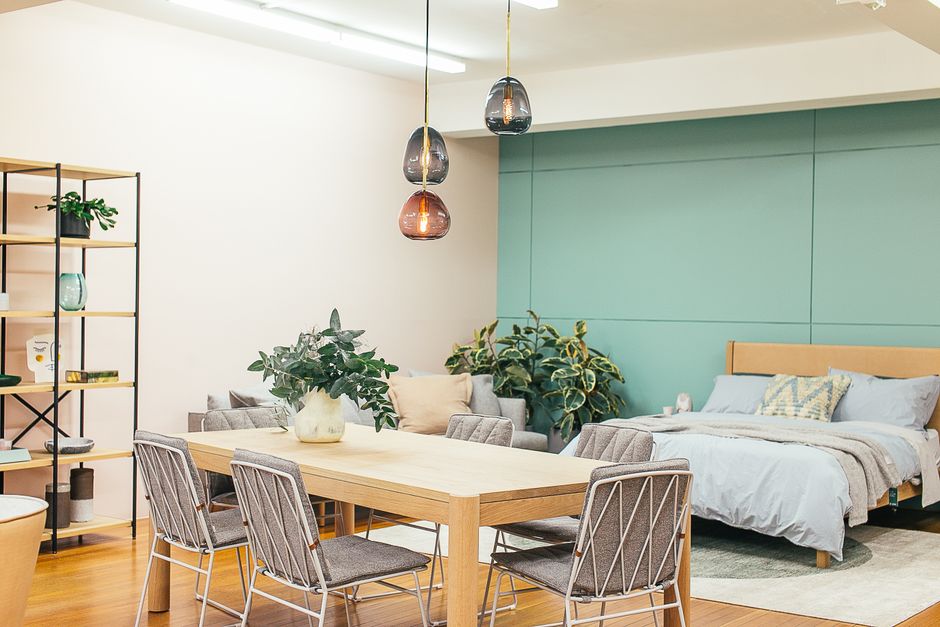
The placement of lighting fixtures directly affects how the different layers interact. Ambient sources are typically installed at the ceiling or high on walls to spread light evenly. Task lights are placed lower, near seating or work surfaces. Accent lights are often positioned at medium height or directed toward specific objects. Varying the height of fixtures adds visual depth and prevents the room from feeling flat. For example, combining a ceiling-mounted ambient fixture with a floor lamp and a table lamp creates multiple planes of light that make the space feel layered and three-dimensional.
Bulb selection also plays a critical role. The brightness (lumens), color temperature (Kelvin), and color rendering index (CRI) all influence how light appears and how it affects the perception of the room. Warm white bulbs with a high CRI are often preferred in living rooms because they render colors naturally and contribute to a cozy ambiance. However, the best choice depends on the specific function of each fixture. A task lamp might benefit from slightly cooler light for better visibility, while accent lights may use warm light to enhance textures. The use of bulbs with the same color temperature across all layers can create a cohesive look, though some designers mix temperatures for added depth. Ultimately, the goal is to select bulbs that align with the intended atmosphere and to place fixtures in a way that minimizes glare and shadows while supporting the desired mood.